Simple Extractions
When a tooth is fully visible above the gumline, it can often be loosened and removed in a single visit using local anesthetic to keep the area comfortable.
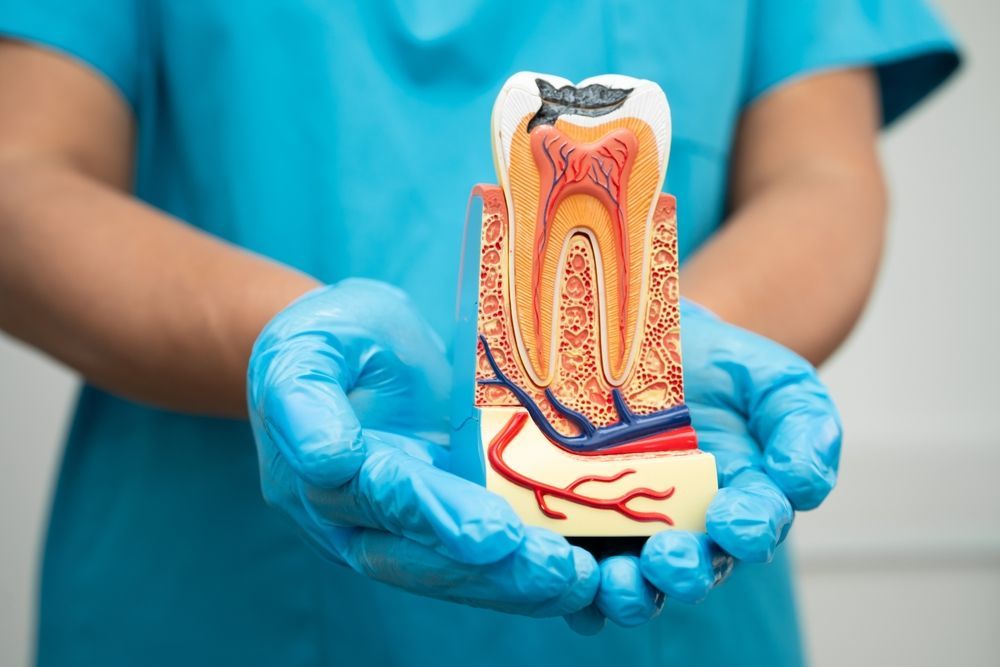
When a tooth is badly damaged, infected or causing problems for nearby teeth, removing it can relieve pain and protect your oral health. Fontana Dental Group evaluates each tooth carefully, explains your options and helps you plan what comes next.
Our goal is always to keep your natural teeth whenever possible. A filling, crown or root canal treatment can often save a damaged tooth. When a tooth cannot be predictably restored, removing it may be the healthiest choice.
An extraction may be recommended when a tooth is:

Every extraction begins with an exam and X-rays so we can understand the tooth, its roots and the surrounding bone before recommending treatment.
When a tooth is fully visible above the gumline, it can often be loosened and removed in a single visit using local anesthetic to keep the area comfortable.
A tooth that is broken at the gumline, has curved roots or has not fully come in may need a surgical approach. Complex cases may be referred to a specialist when appropriate.
We evaluate wisdom teeth with an exam and X-rays and discuss whether removal is recommended. Depending on the position of the tooth, some cases may be referred to an oral surgery specialist.
We explain each step before we begin and answer your questions so you know exactly what is happening.
View Patient Forms →We evaluate the tooth, roots and surrounding bone and review your health history.
Local anesthetic is used so you feel pressure but not sharp pain during treatment.
The tooth is carefully loosened and removed, and gauze is placed to help a protective clot form.
You leave with clear aftercare instructions and know when to call us if you have questions.
Always follow the specific instructions your dental team provides. These general tips help protect the healing area during the first few days.
Call our office if pain gets worse after the first few days, bleeding does not slow down, or you notice increasing swelling or fever: (909) 822-2226. For urgent concerns, visit our Emergency Dentistry page.
Replacing a missing tooth can help you chew comfortably, protect your bite and keep nearby teeth from shifting. We can discuss which option fits your needs.
A long-lasting, natural-looking option for replacing missing teeth.
Explore Cosmetic Dentistry → FILL THE GAPA fixed restoration that replaces a missing tooth using neighboring teeth for support.
Explore Cosmetic Dentistry → REMOVABLE OPTIONFull or partial dentures, plus adjustments, repairs and relines.
Explore General Dentistry →Fontana Dental Group accepts many dental insurance plans, including the VA Dental Insurance Program (VADIP), Delta Dental, DentaQuest, TriWest and TRICARE. Coverage varies by plan, so please call our office to confirm your benefits.
Local anesthetic is used to numb the area before the tooth is removed. You may feel pressure, but you should not feel sharp pain. Some soreness afterward is normal and usually improves over the next few days.
Many patients feel better within a few days, although the area continues to heal for several weeks. Recovery depends on the tooth, the type of extraction and your overall health. Follow the instructions your dental team provides.
No. Wisdom teeth that are healthy, fully erupted and easy to clean may not need removal. Removal may be recommended when a wisdom tooth is impacted, causing pain or infection, damaging nearby teeth or difficult to keep clean.
Dry socket can occur when the blood clot that forms in the extraction site is dislodged or dissolves too early. It can cause increasing pain a few days after an extraction. Avoiding straws, smoking and vigorous rinsing during early healing may help protect the clot. Call our office if pain gets worse instead of better.
Often, yes. Depending on the damage, a filling, crown or root canal treatment may allow the tooth to be kept. Extraction is generally considered when a tooth cannot be predictably restored.
Options may include a dental implant, a bridge or a denture, depending on the location of the tooth, your oral health and your goals. Our team can explain which options may be appropriate.
Many dental insurance plans include benefits for extractions. Coverage varies by plan, so call (909) 822-2226 and our team can help you confirm your benefits.
Contact Fontana Dental Group to have the tooth examined and learn whether it can be saved or should be removed.