Some things get better with age. Your toothbrush is not one of them. As toothbrush bristles become bent, matted and frayed, they become less effective at cleaning the surfaces of your teeth.
Replacing your toothbrush regularly is a simple part of good oral hygiene. The American Dental Association recommends replacing a toothbrush approximately every three to four months, or sooner if the bristles become visibly worn.
The same basic guideline applies to the removable brush head on many powered toothbrushes. If the bristles are wearing down before the three-to-four-month mark, there is no reason to wait.
A toothbrush works best when the bristles are in good condition and able to reach the surfaces of your teeth effectively.
The American Dental Association recommends replacing your toothbrush about every three to four months. Replace it sooner when the bristles become matted, bent or frayed, because worn bristles become less effective at cleaning.
Why Does Your Toothbrush Need to Be Replaced?
A toothbrush is designed to help remove plaque and food debris from the surfaces of your teeth and along the gumline. With repeated use, however, the bristles gradually lose their original shape.
When bristles become flattened, spread apart or frayed, the brush may not clean as effectively as it did when it was new. That is why the condition of the bristles matters just as much as the date on the calendar.
Unlike good wine, toothbrushes don’t get better with age. Fresh bristles are better equipped to do the job.
Signs It’s Time for a New Toothbrush
You do not have to wait until exactly three or four months have passed. The appearance of the toothbrush can tell you that replacement is needed sooner.
Frayed Bristles
Bristles that have spread apart, flattened or begun to fray are a clear sign that the toothbrush is wearing out.
Bent or Matted Bristles
When the bristles no longer stand in their original position, they may not clean your teeth as effectively.
Visible Wear
If the toothbrush simply looks worn out before the usual replacement interval, replace it rather than waiting.
How to Take Care of Your Toothbrush Between Replacements
Proper toothbrush care helps keep the brush clean and allows the bristles to dry between uses.
- Rinse the toothbrush after brushing
- Remove toothpaste and visible debris from the bristles
- Store the toothbrush upright when possible
- Allow the toothbrush to air-dry between uses
- Avoid routinely storing a damp toothbrush in a closed container
- Do not share toothbrushes with another person

A New Toothbrush Is Only Part of the Routine
Good home care depends on both your toothbrush and how consistently you use it.
- Brush twice each day
- Brush for about two minutes
- Use fluoride toothpaste
- Clean between your teeth daily
- Keep regular dental examinations and cleanings
Do You Need a New Toothbrush After Being Sick?
Patients sometimes assume that every cold or illness means their toothbrush must automatically be thrown away. That is not generally necessary for most healthy people.
Continuing to use the same toothbrush after a typical illness does not normally result in reinfection. However, individual health circumstances can be different, and patients who are severely immunocompromised or have specific concerns should speak with their healthcare or dental provider.
Toothbrushes should not be shared. If several toothbrushes have been stored together during an illness, keep them separated so the brush heads do not touch one another. Patients with specific medical concerns can ask their dentist or physician whether additional precautions are appropriate.
What About Electric Toothbrush Heads?
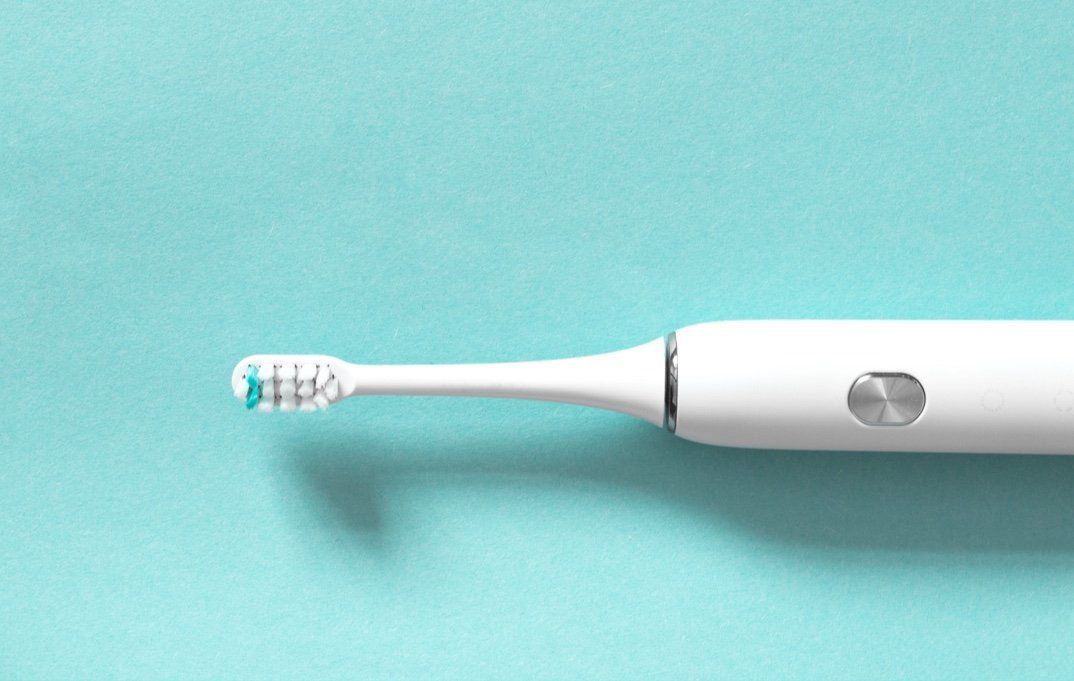
Powered toothbrushes also rely on bristles to clean your teeth, so the brush head should be replaced as it becomes worn. For many patients, the same general three-to-four-month replacement schedule is a useful guideline.
If you use a powered toothbrush, check the manufacturer’s recommendations as well. Some replacement heads include indicator bristles that fade or change appearance as the head wears.
Your Toothbrush Is Only One Part of a Healthy Smile
Replacing your toothbrush regularly is a good habit, but home care cannot replace professional dental examinations and cleanings.
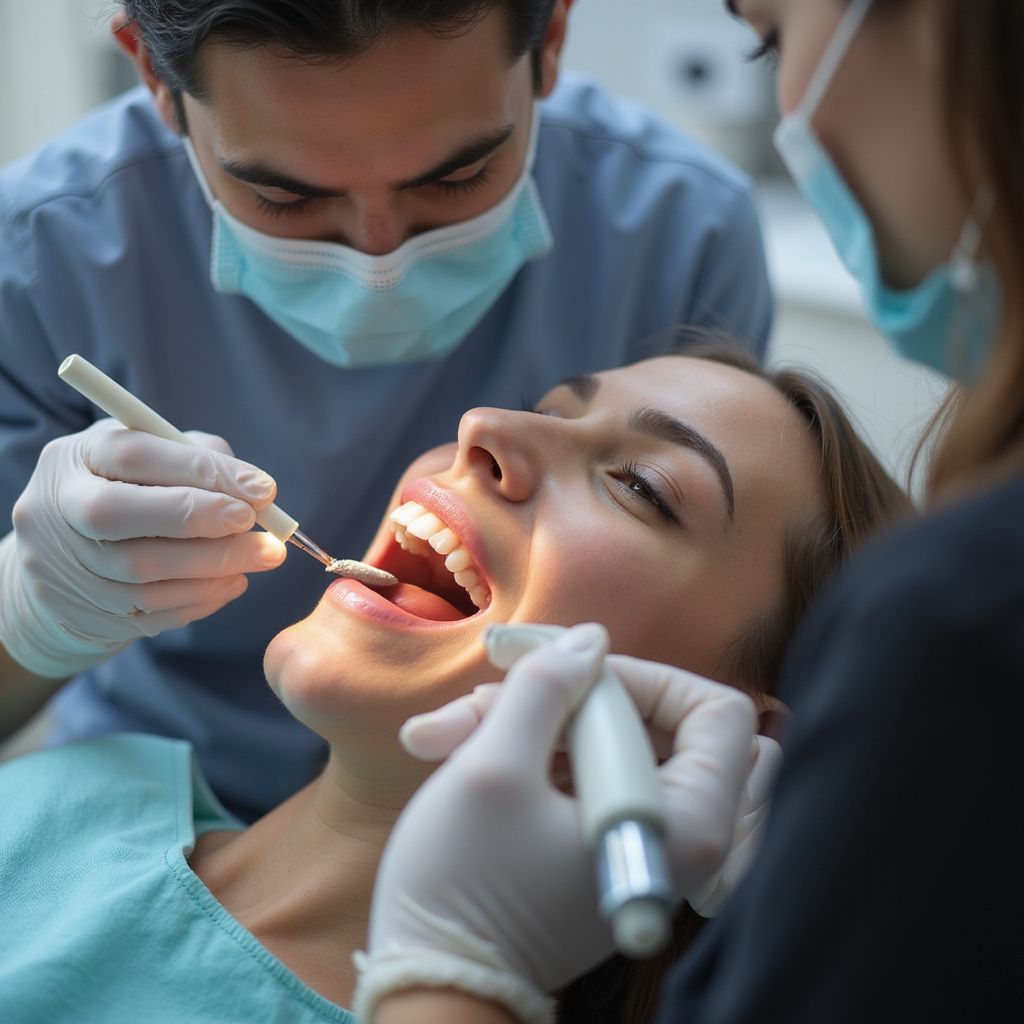
At Fontana Dental Group, routine dental visits give our team an opportunity to evaluate your teeth and gums, remove plaque and tartar that brushing cannot remove, and discuss ways to improve your home-care routine.
Is It Time for Your Next Dental Checkup?
A fresh toothbrush helps support your daily oral hygiene. Regular professional dental care helps complete the picture. Contact Fontana Dental Group to request your next examination and cleaning.